Video tape identification guide
Find the format hiding in your collection
Compare your tapes with our visual guide to identify VHS, camcorder and professional video formats before arranging a digital transfer.
- 15 common formats
- Clear visual examples
- Free identification advice
Let our team identify it
Send us a clear photo showing the tape and its label. We will help identify the format and explain your transfer options.
Ask our video team →Visual format guide
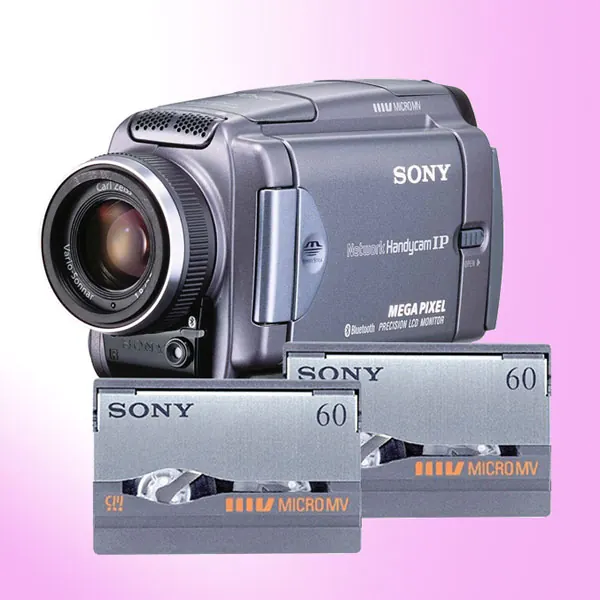
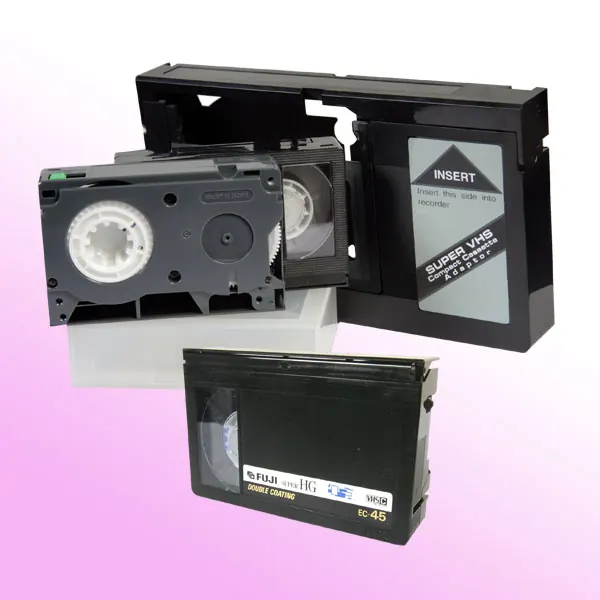
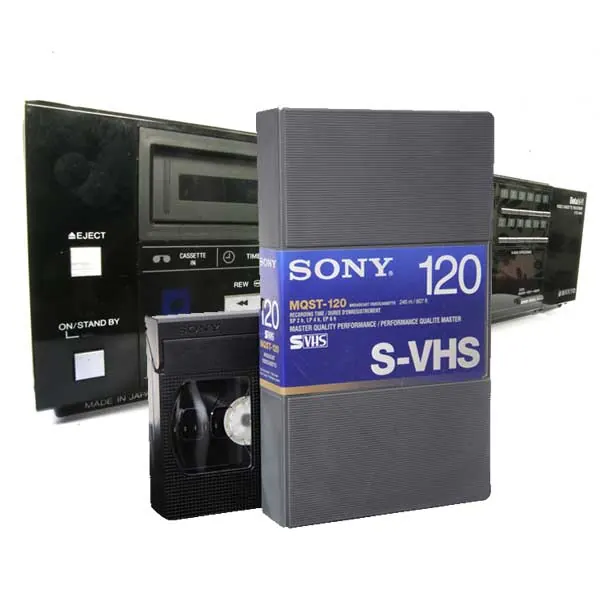
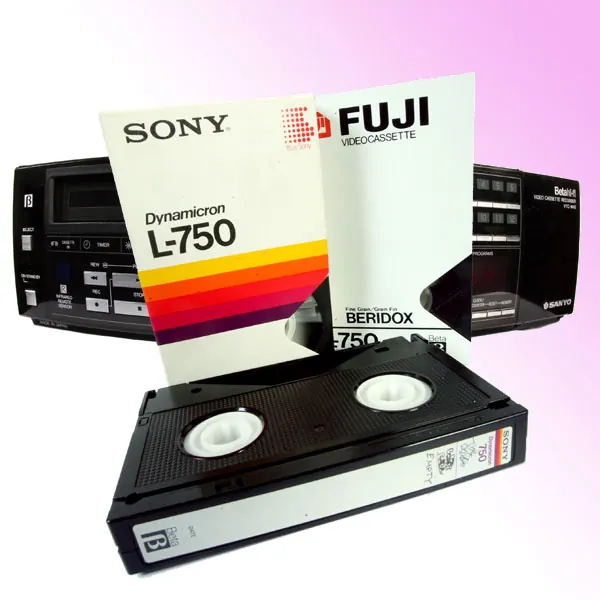
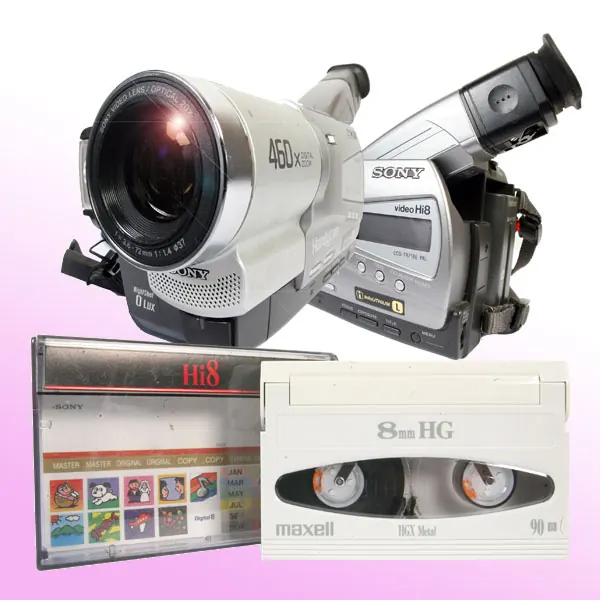
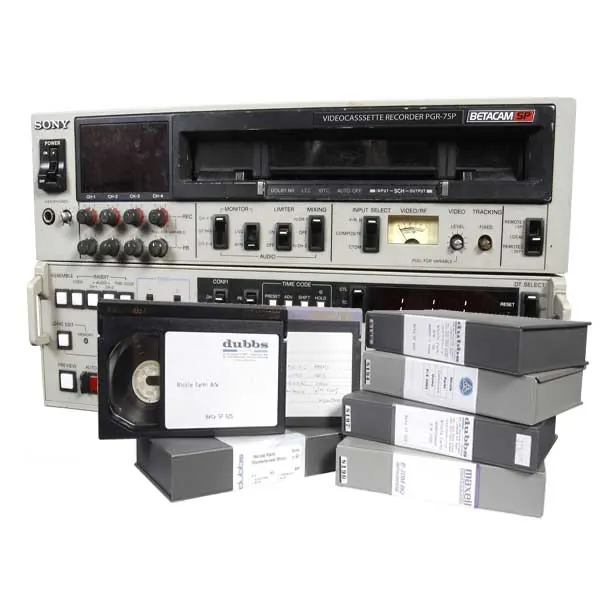
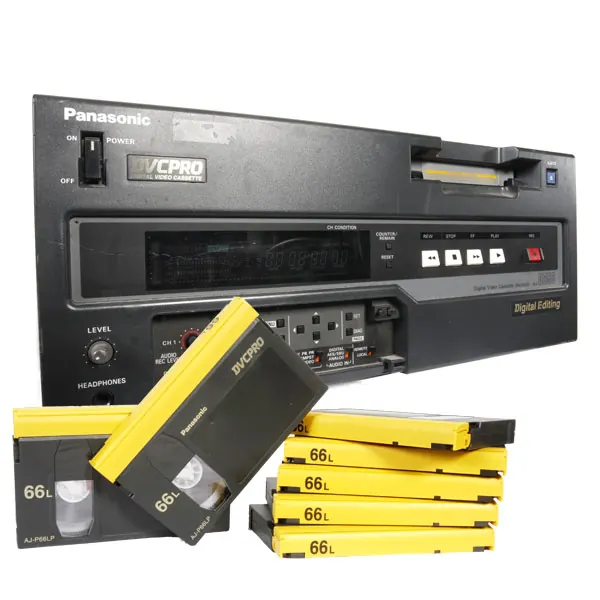
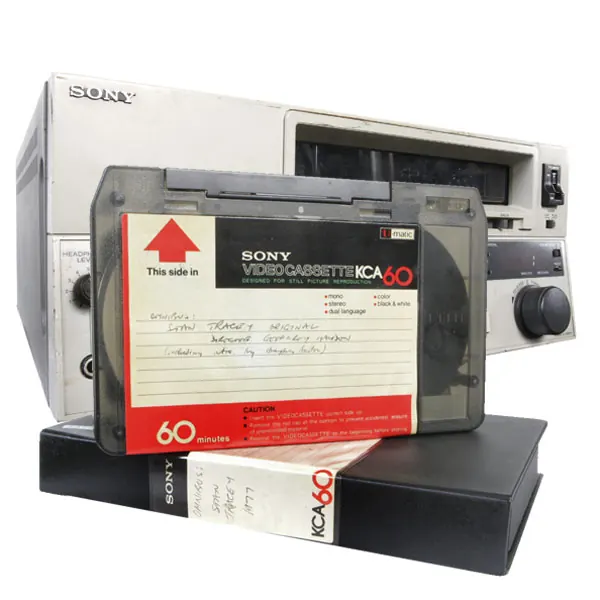
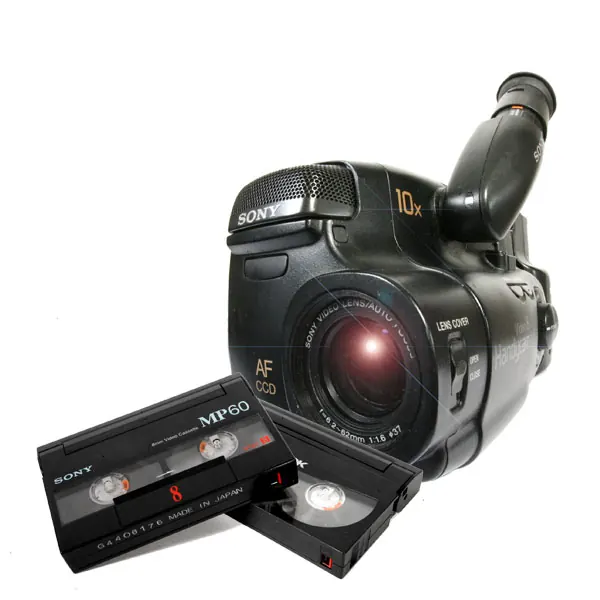
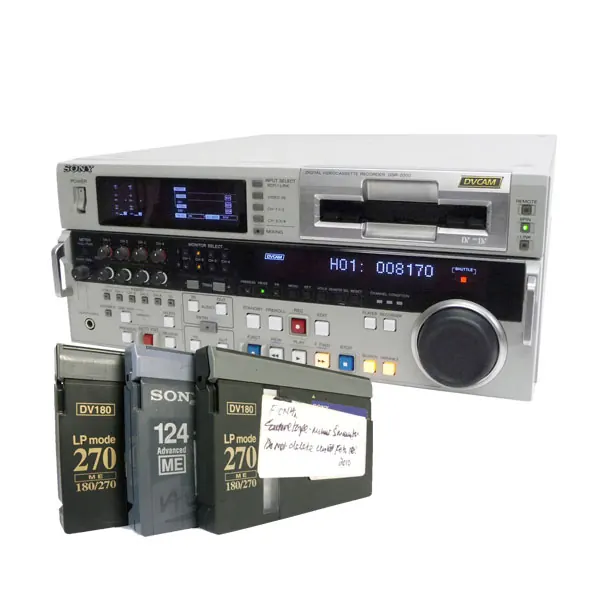
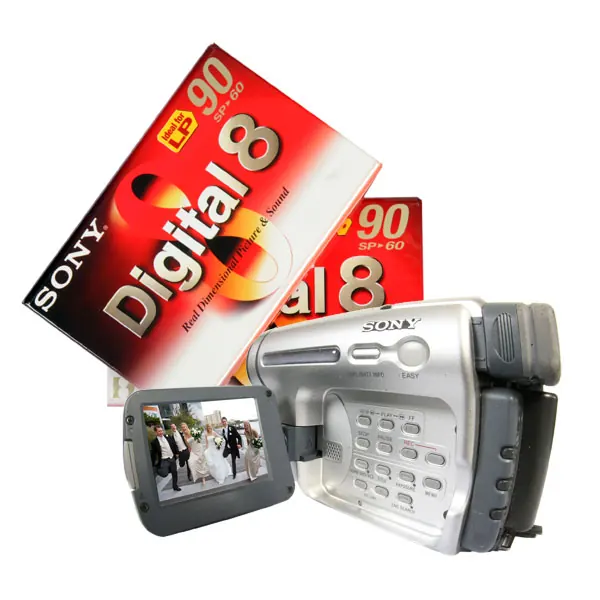
Choose the tape that looks familiar
Select a card to learn more about that format and the available digital transfer service.


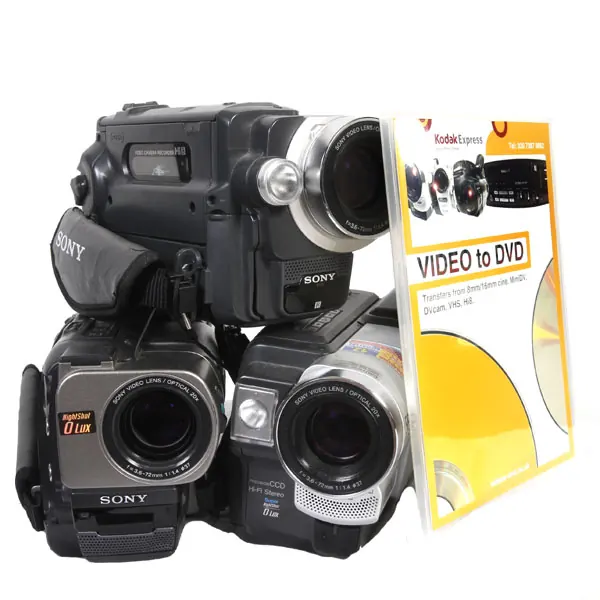
Before you send your tapes
Simple guidance for a smooth transfer
Check the tape size
Formats can look similar in photographs. Compare the physical size, cassette shape and label markings with the examples above.
Camcorder formats such as MiniDV, Video8 and VHS-C are much smaller than full-size VHS or professional broadcast tapes.
Keep every label visible
Do not remove handwritten labels before transfer. They help us name your digital files and can contain useful clues about the recording format.
If you send a photograph, include the front and back of the cassette and any case or packaging.
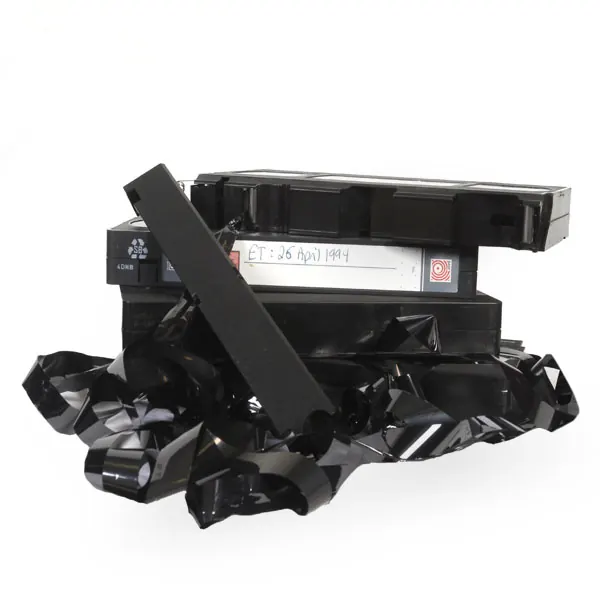
Damaged or unusual tapes
Broken shells, mould, snapped tape and uncommon formats may still be recoverable. Avoid trying to play a visibly damaged tape at home.
Read about tape repair or contact us for an assessment before ordering.
AI Enhancement
After capture, we can use AI and colour-restoration tools to reduce noise, improve clarity and detail, stabilise movement and upscale the digital picture.
 Watch: AI Video Example on YouTube
Each recording is assessed individually so the finished result remains natural.
Ready to preserve your recordings?
Send or bring in your tapes
Once your format is identified, we can recommend MP4 for watching on your TV, phone or tablet, or higher-quality AVI files for home computer editing.